Volunteers are the backbone of Special Olympics Pennsylvania. Without our volunteers, we’d never be able to provide competition, leadership, health and so many other opportunities to people with intellectual and developmental disabilities throughout Pennsylvania.
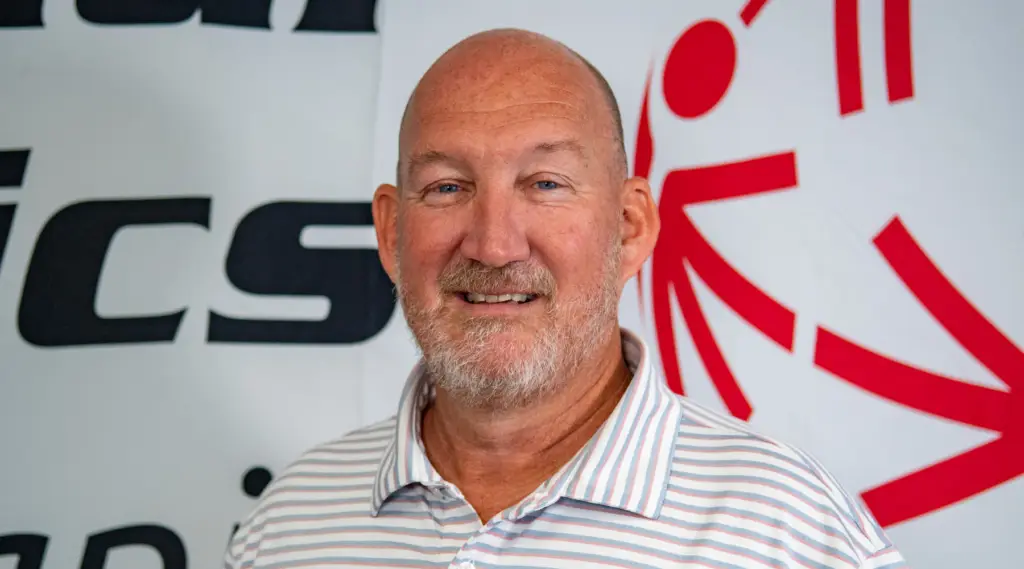
Congratulations to Dr. Ralph Belsterling, Three Rivers Region, for being named our Volunteer of the Month for July 2024!
Dr. Belsterling is celebrating his 20th anniversary with Special Olympics Pennsylvania this year! Since 2004, Dr. Belsterling has volunteered with Healthy Hearing to be a part of the impact this free service provides for athletes across the state. Audiology and the importance of equitable communication is something he’s very passionate about and is eager to help give back with Special Olympics Pennsylvania.
We were honored to sit down with Dr. Belsterling to learn more about his involvement with Special Olympics overall, hear World Games stories, and what he’s looking forward to with new opportunities this year. Thank you for all that you do, Dr. Belsterling! We’re so grateful for your support.


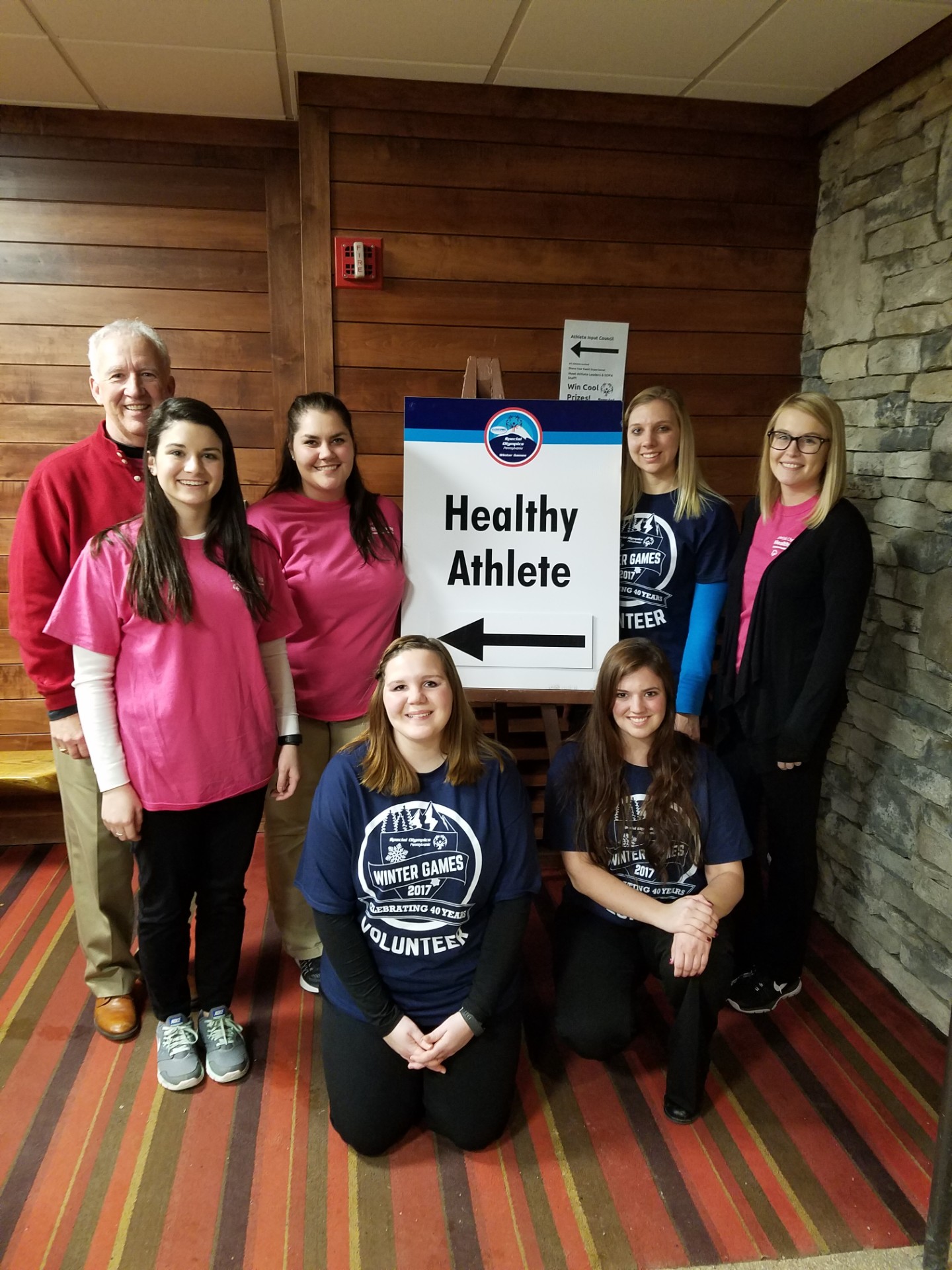
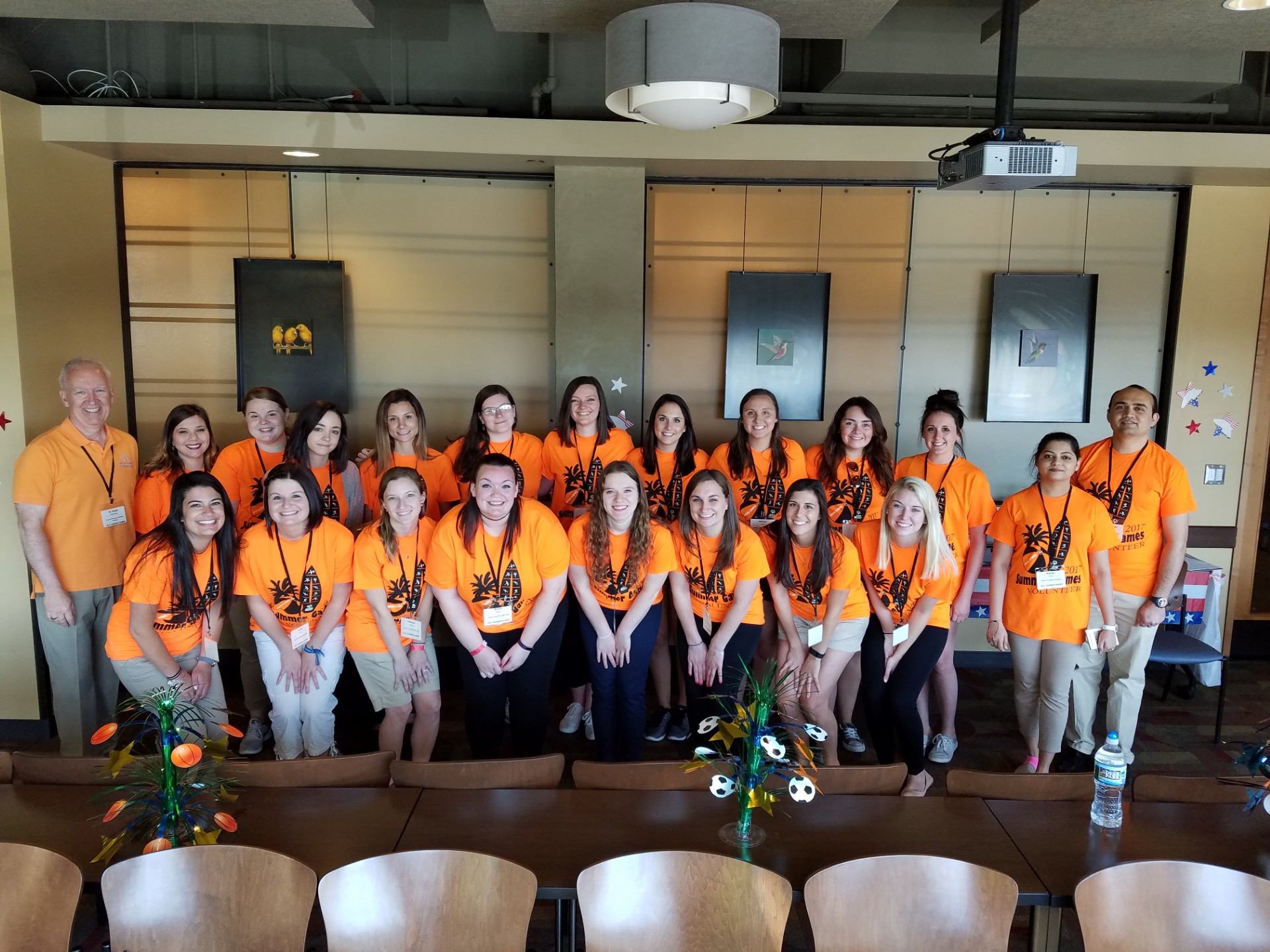
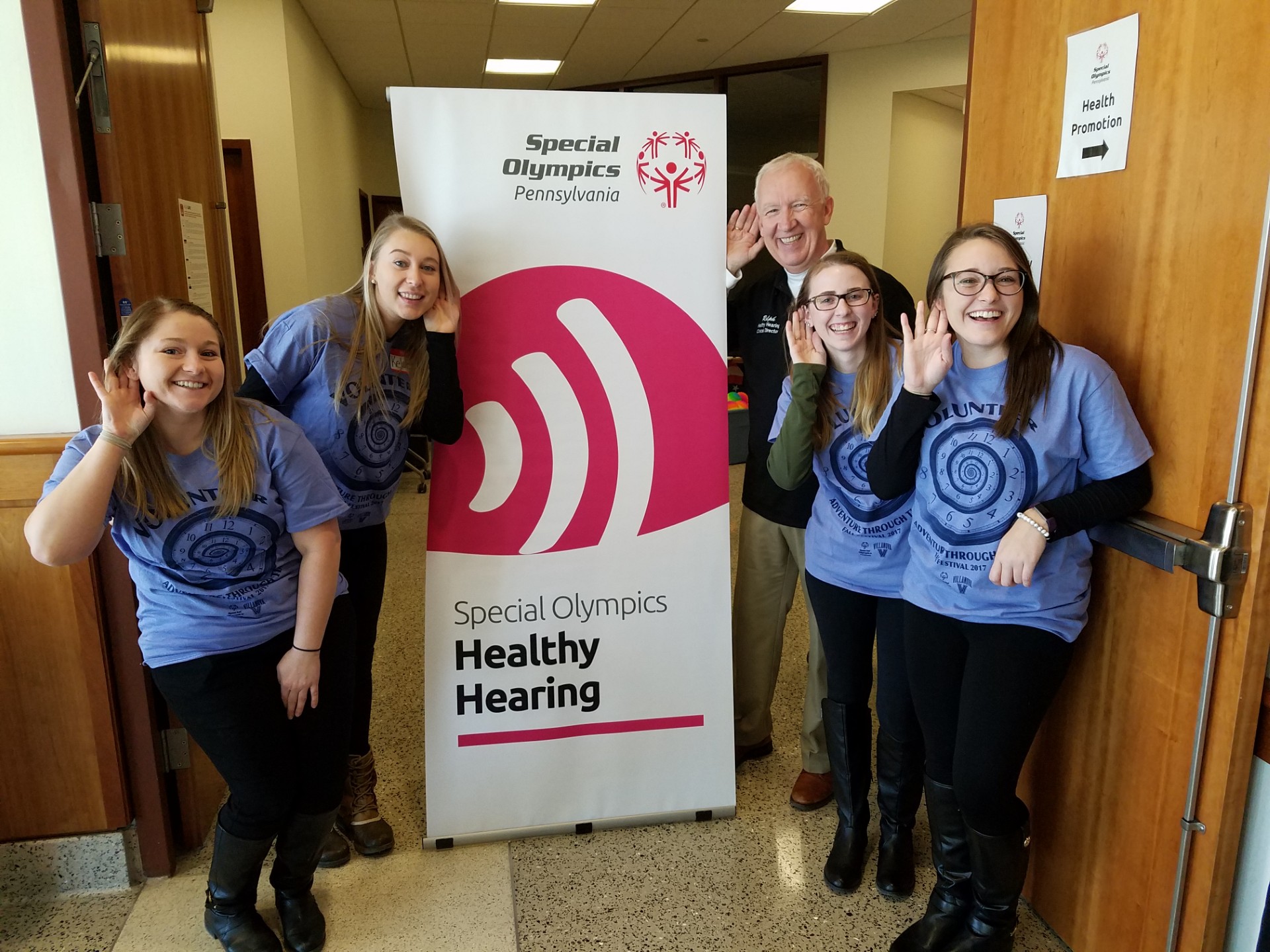
“I am semi-retired; I’m trying to become fully retired. I’m a professor emeritus from California University of Pennsylvania, and I was a professor there for 20 years. Prior to that, I was in private practice as an audiologist. And prior to that, I worked with the deaf community. I worked at a school for the deaf, DePaul Institute, as a speech language pathologist.
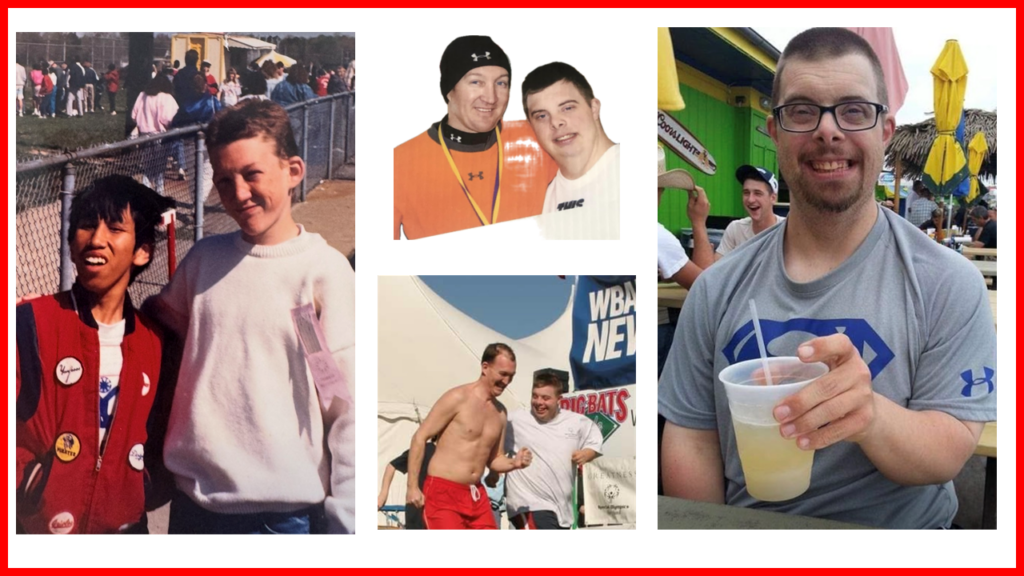
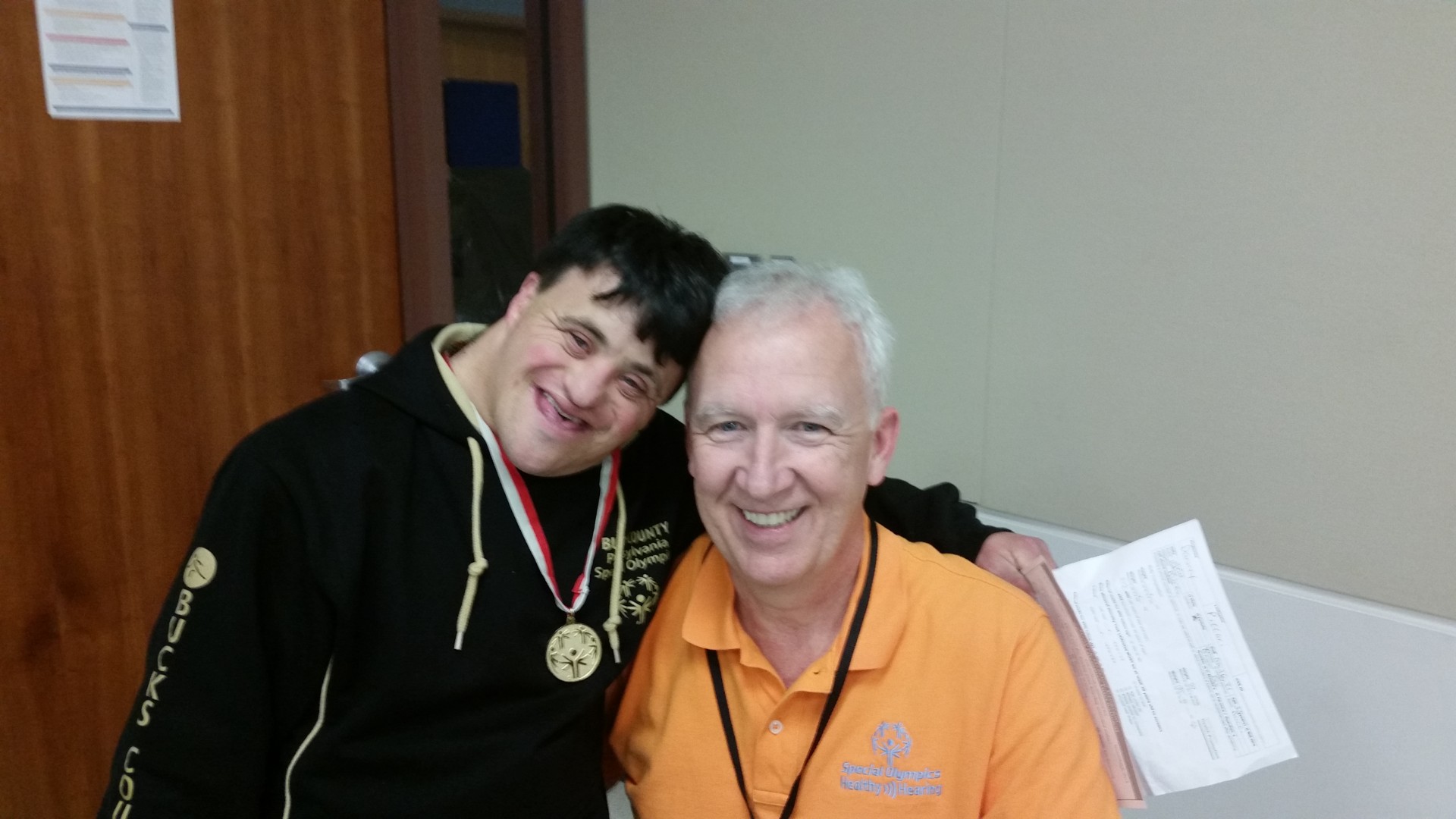
I’ve been involved with Special Olympics Pennsylvania since 2004, and I started out as a Healthy Hearing volunteer. So, as an audiologist and having a little sister that had Down syndrome, I was very interested in working with the deaf community… and the initiative that Special Olympics was doing that included audiologists.
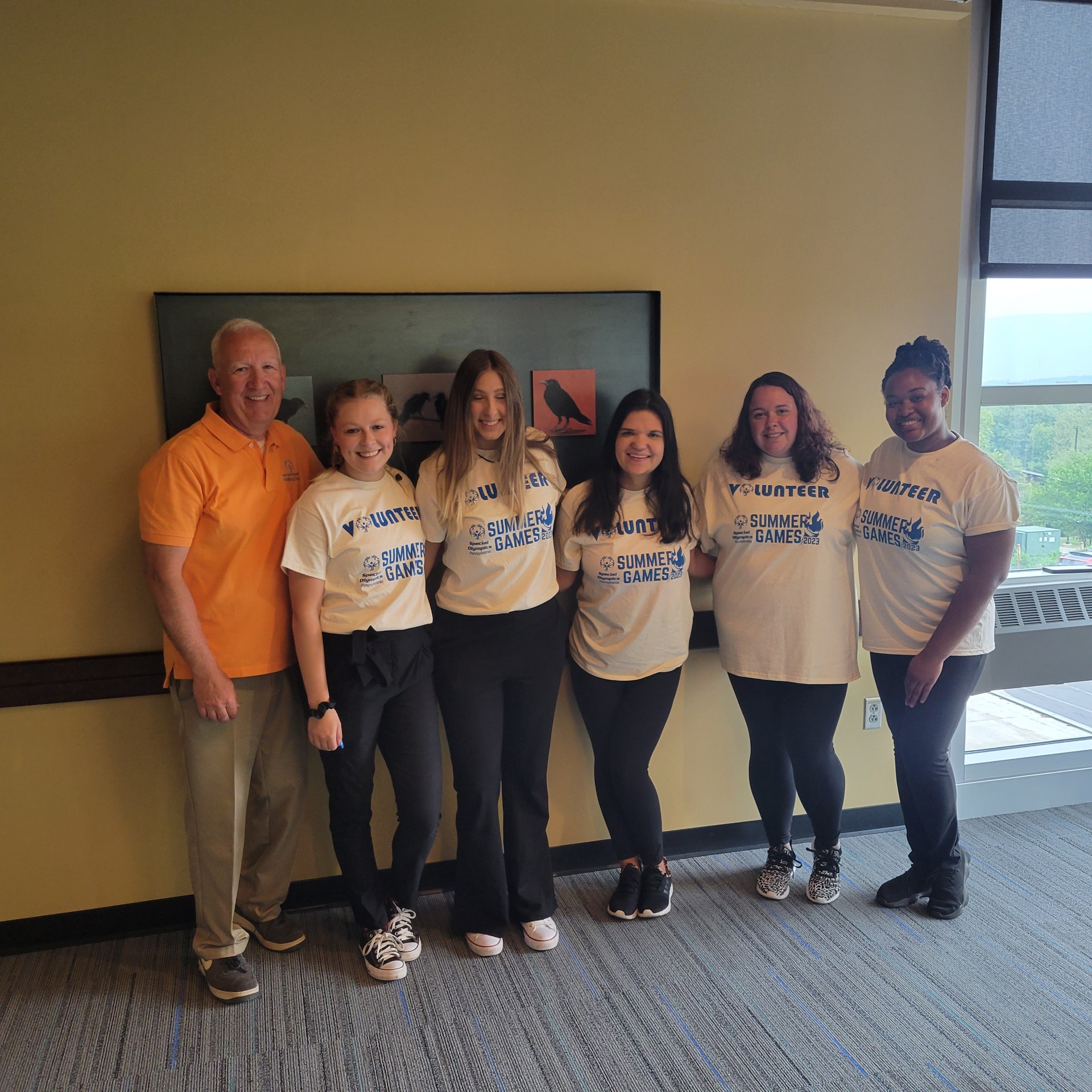
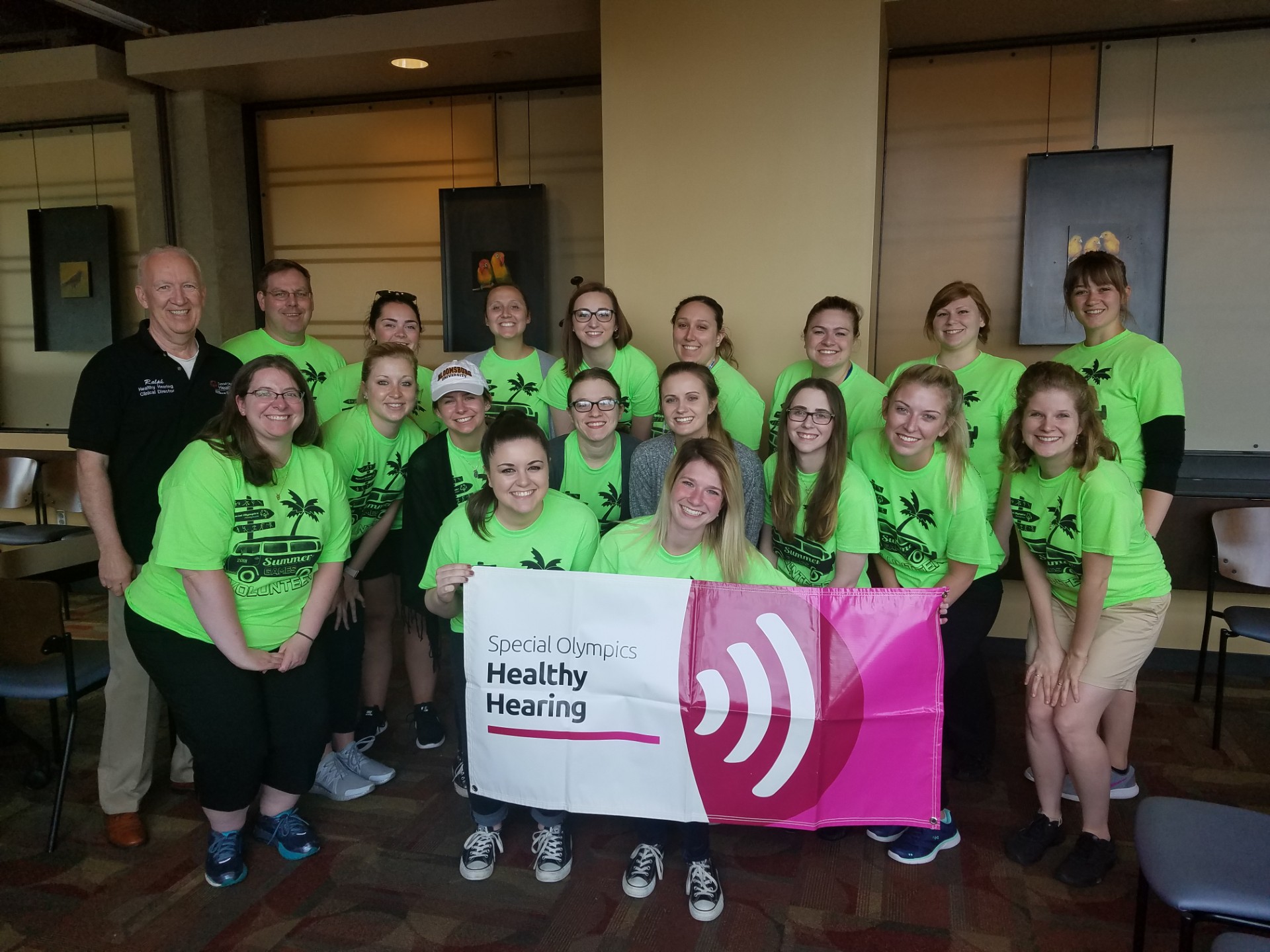
A few years after that, I think it was 2007, I became a Clinical Director for Special Olympics Pennsylvania. Primarily, the Clinical Director was tasked with coordinating their discipline for athletes during the larger state games. I teamed up with local universities and professions in the field and solicited and mentored students, and basically got volunteers and donations for Special Olympics.
I also became a Regional Clinical Director and was involved in training [volunteers]. When we were doing that live, people would fly in from out of state or you would go to a different state and train other professionals to be able to hold Healthy Hearing events or have those types of services provided at their games. I was fortunate to be one of the audiologists at the first Special Olympics USA Games. That was that was in Ames, Iowa. That was a long time ago, but it was a really nice experience. I did one World Games (it was the 10th Special Olympics World Winter Games held in Boise, Idaho in 2009). You know, the people in Boise and in Ames, they’re wonderful and they treated the athletes and volunteers graciously, so it was all nice.
What inspires me [while volunteering with Special Olympics Pennsylvania] are the athletes themselves. Athletes, and to some extent, the professionals I work with and the students we mentor and train. It’s very rewarding to know that I’m sort of paying it forward and hopefully, that torch will be carried for many years later.
With the athletes, it’s an underserved, under-treated community and sometimes athletes have undetected disorders and I feel very, very confident and rewarded knowing that I’m able to provide those services for them in a caring respectful manner that they deserve.
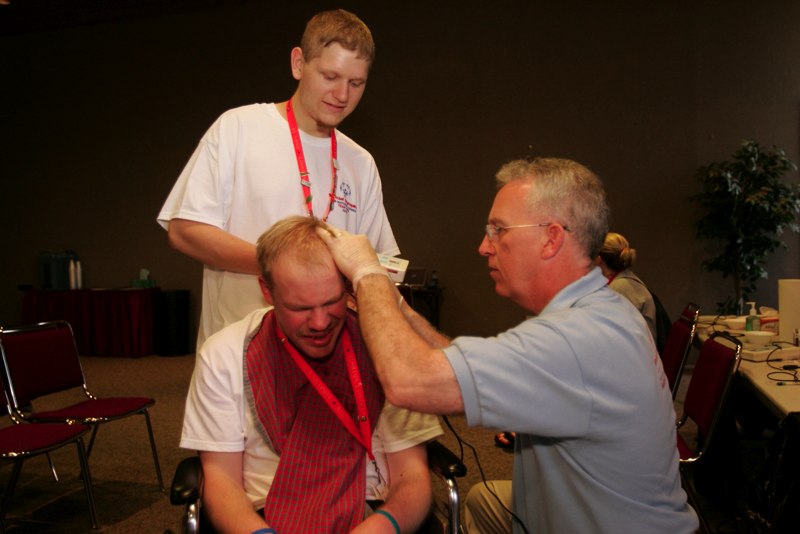
Communicatively, hearing loss impacts communication, social skills, quality of life and an individual’s health. Being able to detect problems and sometimes treating or remedying some issues on site is a wonderful thing. We’ve had individuals where we do screenings, they may come in with hearing aids, and sometimes there’s a problem with the hearing aids. We can do minor repairs or maintenance on those. Some events we were providing swim plugs, so at Summer Games, if swimmers were having issues, they could come on in where we were making and dispensing swim plugs on-site.
In the medical referrals that we would do for earwax, a lot of individuals weren’t sure if they were hearing OK, and we’re able to confirm ‘Yes,’ or ‘No’, or ‘It’s OK for now.’ We do need to follow up, but lots of times, it’s just something as simple as ear wax and I think the athletes, coaches, and family members are relieved in that respect.
Sometimes, it’s a little bit more involved. You’d have an athlete that maybe has pain or discharge coming from the ear. They may have some vertigo or excessive tinnitus (ringing in the ears), or even a sudden change of hearing and we’re able to make those medical referrals back to the community. At larger Games, we do have physicians that are available and assess athletes and possibly treat them if possible.
Most recently, we’ve teamed up with Starkey Cares, a program where we’re able to provide athletes with hearing aids at no cost. This is very rewarding.
Hearing aids are a few $1,000 each, per instrument. With our partnership with Starkey Cares, we’re able to provide hearing aid fittings and follow up care in the community. We typically fit individuals with hearing aids at the Games…
During one of the Games, there was a deaf team that attended. There were seven athletes, and we had interpreters who helped us do a comprehensive test after we realized they had hearing loss. We were able to fit and provide them with two hearing aids each before they left the national games. I mean, it was just wonderful. That was just one example of us doing something that I think changed our life.
In other countries where things are different, maybe they don’t have electricity and things along those lines, we were looking at hearing aids that had solar panels. Not every country always has access to batteries for instruments. But locally, and statewide and in Pennsylvania, we do partner with Starkey Cares. We’re able to provide hearing aids at no cost, one or two, whatever they need, and make referrals to their communities. Pennsylvania is a big state. Not everybody can come in to see me, but we can make sure that they get the appropriate care by qualified professional audiologist within the state.
Healthy Hearing has probably done a few 100,000 screenings globally. We’re finding that about 24-25 percent of the individuals that fail the screening have permanent hearing loss. So, we have about a 39 percent fail rate, but 24 percent of those find do have permanent loss that need some type of remediation. We also find that about 30-40 percent of athletes that go through the screening have blocked ear canals, which is something that’s easily remedied.
We even had a patient that we referred on quite a few years ago. She’s come back multiple times since, but she had a tumor. We detected some abnormalities, and asymmetrical hearing loss. She went in based on a recommendation for further logical follow up and they had to remove a tumor. She credits us for sort of “saving her life…” Things like that are fortunately not common, but you’re very thankful if you’re able to help someone.
Some of my favorite moments have been when I’ve actually gone to witness athletes in their environment at their games. I’ve been able to see speed skating, swimming, just different events, and it’s just very, very heartwarming to watch the athletes compete at a very high level. My sister competed also and to know the camaraderie they have between each other, the excitement, and the challenge to do better and to compete is very rewarding to observe.
My most favorite thing about volunteering is seeing the athletes and knowing that I’m able to help them. I also enjoy, as I mentioned, the mentoring of students. I think it just opens the students’ eyes. Maybe it’s something that they might not get in classwork, the actual physical practice and being able to put their skills to use in this type of environment, and to model and mentor in a way that they can see.
The advice that I have for any future volunteer is just take that first step. Just signing up, trying it out. I know, even my first time, I wasn’t exactly sure what I was getting into. But I think once a person does experience the joy you get out of volunteering and helping individuals, I think it hooks them. I recommend that they give it a try. I think everybody should at least try it and continue to learn.
Share your skills with people who can really benefit from it and otherwise might not receive those services. As healthcare providers, we do need to give back. This is very worthwhile to continue.”